

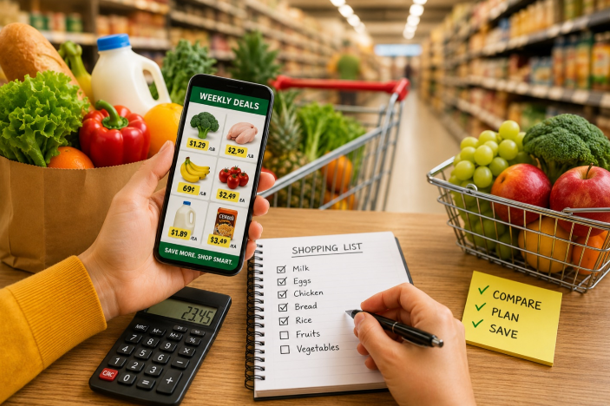
Every week, grocery stores advertise dozens of discounts that promise big savings. Bright sale tags, “limited-time offers,” and multi-buy promotions often encourage shoppers to believe they’re getting the best deal. However, not every promotion offers real value. Learning how to compare grocery deals before you shop can help you make informed decisions and avoid spending more than necessary.
Many Canadian shoppers use the No Frills Flyer to review weekly promotions before heading to the store. Comparing those offers with the Food Basics Flyer provides a broader view of current grocery prices and makes it easier to identify which deals are genuinely worth your money.
Don’t Judge a Deal by the Sale Price Alone
A lower price doesn’t always mean better value. While a product may be advertised as being on sale, another store could offer a similar item at an even lower regular price.
Instead of focusing only on the discount, compare the actual selling price of similar products across different retailers. Looking beyond promotional labels helps you avoid paying extra simply because an item is marketed as a special offer.
Taking a few extra minutes to compare prices can lead to better purchasing decisions throughout the week.
Pay Attention to Unit Pricing
One of the easiest ways to compare grocery products is by checking the unit price. Most stores display the cost per 100 grams, kilogram, litre, or individual item alongside the selling price.
For example, two packages of cereal may appear similar, but the larger package could offer a much lower price per gram. The same applies to products like cheese, yogurt, coffee, cooking oil, and laundry detergent.
When reviewing promotions in the No Frills Flyer, consider both the advertised price and the product size to determine whether the offer provides real value.
Compare Store Brands with National Brands
Many shoppers automatically choose well-known brands without comparing them to private-label alternatives. In many cases, store-brand products offer similar quality at a lower price.
Weekly flyers often include promotions on both branded and store-brand items. Comparing these options can help you reduce grocery expenses without changing your shopping habits.
Rather than focusing only on familiar names, evaluate the product’s ingredients, quantity, and price before making a decision.
Understand Multi-Buy Promotions
Offers such as “Buy 2 for $8” or “Buy 3 and Save” can seem attractive, but they aren’t always the best option.
Before purchasing multiple items, ask yourself a few questions:
- Do you actually need more than one?
- Will you use the product before it expires?
- Is the individual price still reasonable if you buy only one?
If the answer is no, the promotion may not be saving you money at all.
Smart shoppers buy extra only when the product has a long shelf life and fits their regular household needs.
Compare Flyers Instead of Visiting Multiple Stores
Checking several grocery flyers online is much faster than driving from store to store to compare prices.
The No Frills Flyer regularly highlights discounts on fresh produce, meat, dairy products, pantry staples, and frozen foods. At the same time, the Food Basics Flyer may feature competitive offers on packaged groceries, beverages, snacks, or household supplies.
Looking at both flyers before shopping allows you to compare promotions from home and decide where you’ll receive the greatest overall value.
Watch for Seasonal Promotions
Some of the best grocery deals appear during seasonal harvests, holidays, and special shopping events.
Fresh fruits and vegetables are often less expensive when they’re in season, while baking supplies, beverages, and frozen foods may be discounted before major holidays.
Instead of purchasing seasonal products throughout the year at regular prices, use weekly flyers to identify the best buying opportunities. This approach allows you to enjoy quality products while keeping your grocery spending under control.
Think About Long-Term Value
A good grocery deal isn’t just about today’s savings—it should also provide value over time.
Buying frequently used items during promotional periods can reduce future shopping costs. Products such as rice, pasta, canned vegetables, breakfast cereals, paper products, and cleaning supplies are often worth purchasing when discounted, provided you have enough storage space.
The key is buying products you’ll genuinely use rather than purchasing extra simply because they’re on sale.
Conclusion
Comparing weekly grocery deals is about more than finding the lowest advertised price. Evaluating unit pricing, understanding promotional offers, comparing store brands, and reviewing multiple flyers can help you make smarter purchasing decisions.
The No Frills Flyer is a valuable resource for discovering weekly discounts on everyday essentials, while the Food Basics Flyer offers another useful point of comparison when planning your shopping trip. By looking beyond the headline discount and focusing on overall value, you can stretch your grocery budget further and shop with greater confidence every week.