

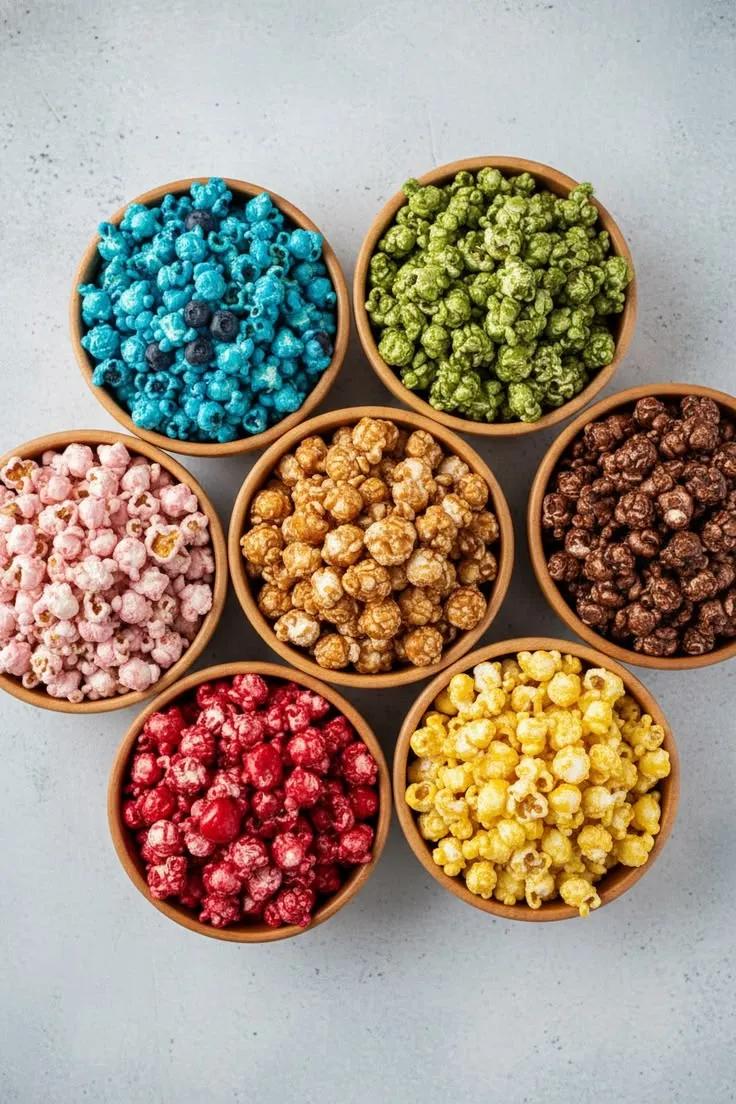
For manufacturers comparing food coloring powder suppliers, the discussion should begin with the product, not the package size. Powdered natural colors can be convenient to store, measure, and move through a plant, but they still have to suit the recipe. A dry seasoning, baked snack, and coated popcorn product may all use powder differently. FoodRGB offers natural colors in powder as well as liquid and oil-based forms, so developers can choose a format that matches the production step instead of adapting the process around the color later on.
Powder Is Useful, but Not Universal
Powder works well in many dry applications because it can be blended with other ingredients before processing. In some recipes, it may also be dissolved or dispersed before addition. That flexibility is useful, yet it does not mean powder is automatically the best option. Moisture level, fat content, mixing equipment, and the desired shade all matter. A color that disperses evenly in a seasoning blend might behave differently in a coating system. Small trials help determine whether direct blending or pre-dispersion gives the cleaner result during routine manufacturing runs.
Storage and Handling Still Matter
One practical reason manufacturers consider powdered color is handling. Powders can be easier to transport and may take up less storage space than some liquid systems. Even so, storage conditions should not be treated casually. Heat, light, humidity and open containers can affect ingredient quality over time. Teams should follow supplier recommendations for sealing and storage and then retain batch records during trials. Good handling also makes production more repeatable because the same amount can be weighed and added in a controlled way from one run to the next.
Popcorn Brings a Different Challenge
Popcorn looks simple, but coloring it can involve oil, seasonings, heat, and an uneven surface. FoodRGB supplies both powder and liquid natural color options for popcorn, along with water-soluble and oil-suspension systems. A Popcorn color powder may work well in one process, while another line may need the color carried through an oil-based coating. The choice depends on when the color is added and what else is in the coating. Testing should copy the real production sequence, including heating, tumbling, seasoning, cooling, and final packing steps.
Coverage Matters More Than a Dark Sample
A strong color in a cup does not guarantee good coverage on popcorn. What counts is that the shade is uniform from kernel to kernel, no under-colored and no over-colored. Mixing time, coating viscosity, and the amount of oil or seasoning can all change the result. Developers may get a better finish by adjusting how the color is introduced rather than simply increasing dosage. Side-by-side batches are useful because they reveal coverage problems quickly and show whether a powder needs different dispersion before full-scale production begins.
Heat Should Be Tested, Not Assumed
Popcorn processing may expose color to heat at more than one stage, especially when coatings or flavored systems are applied warm. FoodRGB describes its popcorn solutions as developed for light and heat resistance, but each formulation should still be checked in the actual process. Heating time, temperature, and contact with fats can vary from one manufacturer to another. A short bench test can miss these details. Running the color through realistic conditions gives a clearer view of how the shade will look after production rather than only before it.
Scale Changes the Mixing Picture
A bench bowl and a commercial tumbler do not mix in the same way. At larger scale, powders may take longer to distribute, and coating systems can move differently across a bigger product load. That is why scale-up should include checks for color uniformity, not just flavor and texture. Manufacturers can compare samples from different points in the batch to see whether the shade is consistent. If variation appears, the answer may involve changing addition order, mixing time or dispersion rather than changing the pigment itself during production.
Conclusion
Powdered natural colors can be practical, but their value comes from fitting the real manufacturing process. Popcorn makes that clear because heat, oil, seasoning, surface coverage, and mixing all influence the final appearance. Manufacturers exploring these options can use foodrgb.com to review natural color formats and application support for snack products. The best choice is the one that is easy to handle, spreads consistently, survives the process, and gives the intended shade after the popcorn has been coated, cooled, packed, and stored under normal conditions.